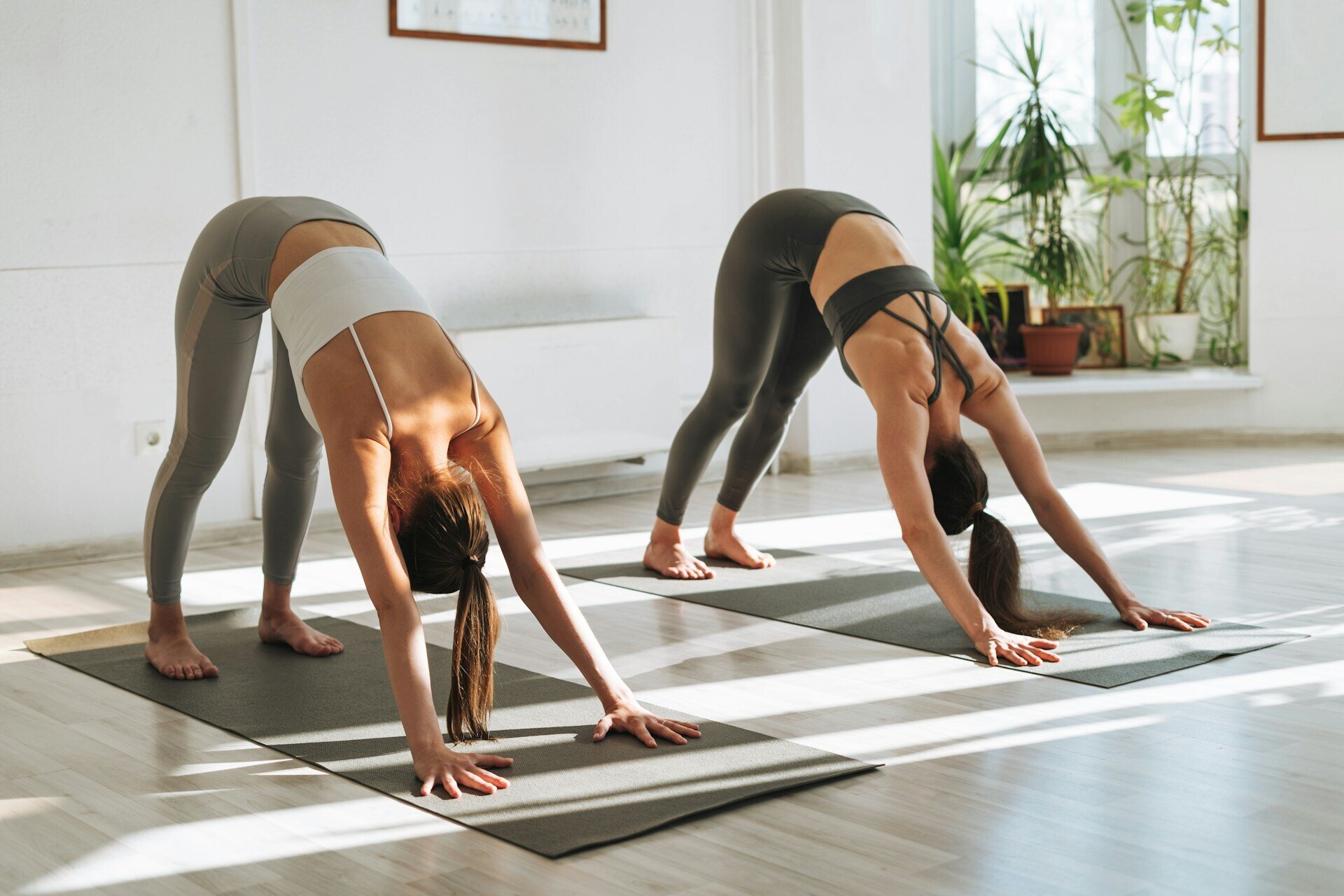
Your yoga journey
Build a yoga routine around your body, your intentions, and your everyday life.
Developing a meaningful yoga practice takes more than learning a few poses. Explore your goals, discover a comfortable pace, become familiar with breathing techniques, and make time for rest. A thoughtful approach helps you move from your first session toward a steady routine that can grow alongside your experience and changing needs.
Building your practice
Four helpful steps toward a consistent and mindful yoga routine.
-
01
Understand your starting point
Consider your experience, mobility, energy, and reasons for exploring yoga. Choose an approachable class style, communicate any relevant movement limitations to your instructor, and give yourself permission to learn at your own pace.
-
02
Learn foundational movements
Become familiar with basic postures, comfortable transitions, balance, and natural breathing. Use blocks or other supportive props when helpful, ask questions about alignment, and explore modifications instead of forcing your body into unfamiliar positions.
-
03
Practice with awareness
Follow a class rhythm that feels manageable and pay attention to how your body responds. Coordinate movement with breathing where appropriate, take breaks when needed, and develop strength, flexibility, and stability gradually through attentive repetition.
-
04
Make room for rest and growth
Allow time to recover between sessions, notice which practices support your well-being, and adjust your routine as your needs change. Progress does not require perfect poses or constant intensity; consistency, patience, and respect for your body's limits matter more.
Yoga practice checklist
A few things to consider before choosing your next class.
| Focus | Consider | Avoid overlooking |
|---|---|---|
| Schedule | Class duration, your weekly commitments, time for travel, opportunities for regular practice, and enough space between sessions for rest and recovery. | Setting an ambitious routine that leaves little room for rest or becomes difficult to maintain alongside your everyday responsibilities. |
| Personal comfort | Clothing that allows movement, a suitable mat, available props, room to stretch, and any physical limitations you may want to discuss with your instructor. | Assuming every posture will suit your body or attempting movements that cause pain simply to match the pace of a class. |
| Class style and support | The pace of instruction, movement intensity, breathing guidance, opportunities for modifications, and whether the class matches your experience and personal intentions. | Choosing a class based only on its name without understanding its approach, physical demands, and available adaptations. |
| Safety and recovery | Clear alignment guidance, comfortable transitions, options to rest, hydration, and sufficient recovery time between more demanding sessions. | Ignoring discomfort, rushing through unfamiliar poses, or treating flexibility and intensity as measures of personal progress. |
Personal goals to consider before beginning your practice.
Reflect on your experience, movement preferences, energy levels, and reasons for exploring yoga. Use these details to choose an appropriate class, discuss modifications with your instructor, and build a routine that respects your needs and current abilities.
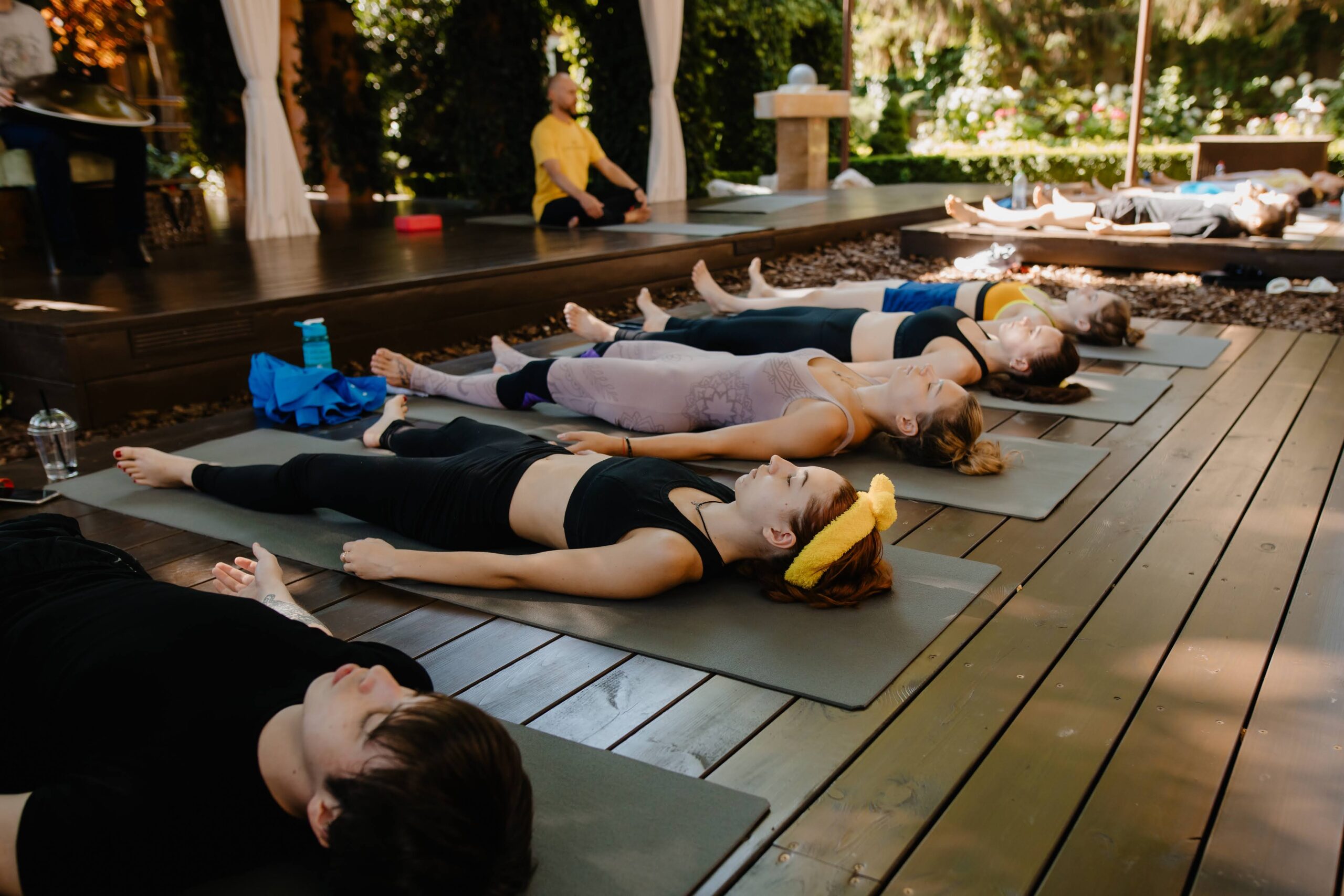
Notes for your yoga journey
Let your routine grow from realistic goals and mindful choices.
A useful practice plan reflects your current experience and the intentions you want to explore. Consider your preferred class style, foundational movements, breathing techniques, helpful props, and the time you need to recover. Keep track of what feels comfortable and which adjustments help you move with greater awareness. A flexible plan makes it easier to understand your next steps without relying on unrealistic expectations about progress, flexibility, or how quickly your practice should change.