Gentle yoga
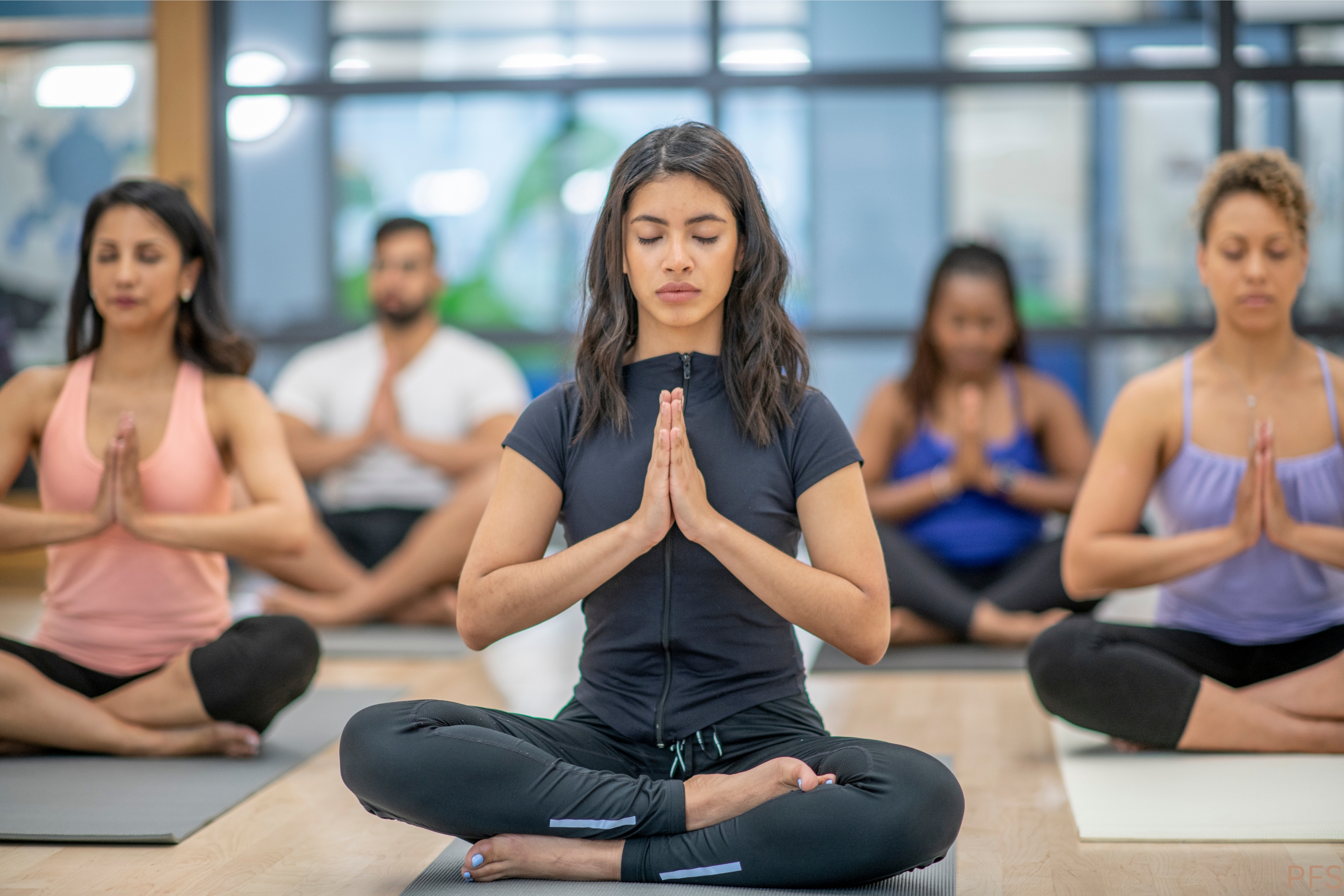
Accessible movements, comfortable transitions, supportive modifications, and a relaxed pace for building confidence on the mat.
Explore yoga styles
Discover the different approaches to yoga, from gentle movement and foundational postures to flowing sequences and deeply restorative sessions. Learn how pace, breathing, balance, flexibility, and recovery can shape your experience and help you choose a class that feels right for you.
Choosing your yoga practice
| Practice factor | What to consider | Why it matters |
|---|---|---|
| Experience level | Consider whether you are new to yoga, returning after a break, or looking to deepen an established practice. Look for clear instruction, approachable sequences, and useful variations that match your current abilities. | Helps you begin at a comfortable level, build confidence with foundational movements, and progress without feeling pressured to keep up with others. |
| Movement and pace | Compare gentle sessions with slower transitions, steady classes focused on posture, and more dynamic flows that link movements together through coordinated breathing. | Allows you to choose a rhythm that supports your energy, mobility, coordination, and preferred balance between active movement and quiet reflection. |
| Strength and balance | Explore classes that develop body awareness, stability, controlled movement, and balance. Pay attention to alignment guidance, optional modifications, and opportunities to pause when a posture feels unfamiliar. | Encourages gradual skill development and more mindful movement while helping you adapt challenging positions to your comfort and experience. |
| Breathing and relaxation | Look at how each class incorporates breath awareness, moments of stillness, guided relaxation, supported postures, and time to settle after more active sequences. | Helps you choose a practice that complements your need for focus, a quieter pace, recovery, or a more balanced combination of movement and rest. |
| Comfort and consistency | Consider class duration, available props, clothing that allows free movement, and whether the practice offers alternatives for different mobility levels. Leave room in your routine for rest and gradual adjustment. | Makes it easier to develop a sustainable routine, respect your body's signals, and return to the mat regularly without turning practice into a source of unnecessary pressure. |
Accessible movements, comfortable transitions, supportive modifications, and a relaxed pace for building confidence on the mat.
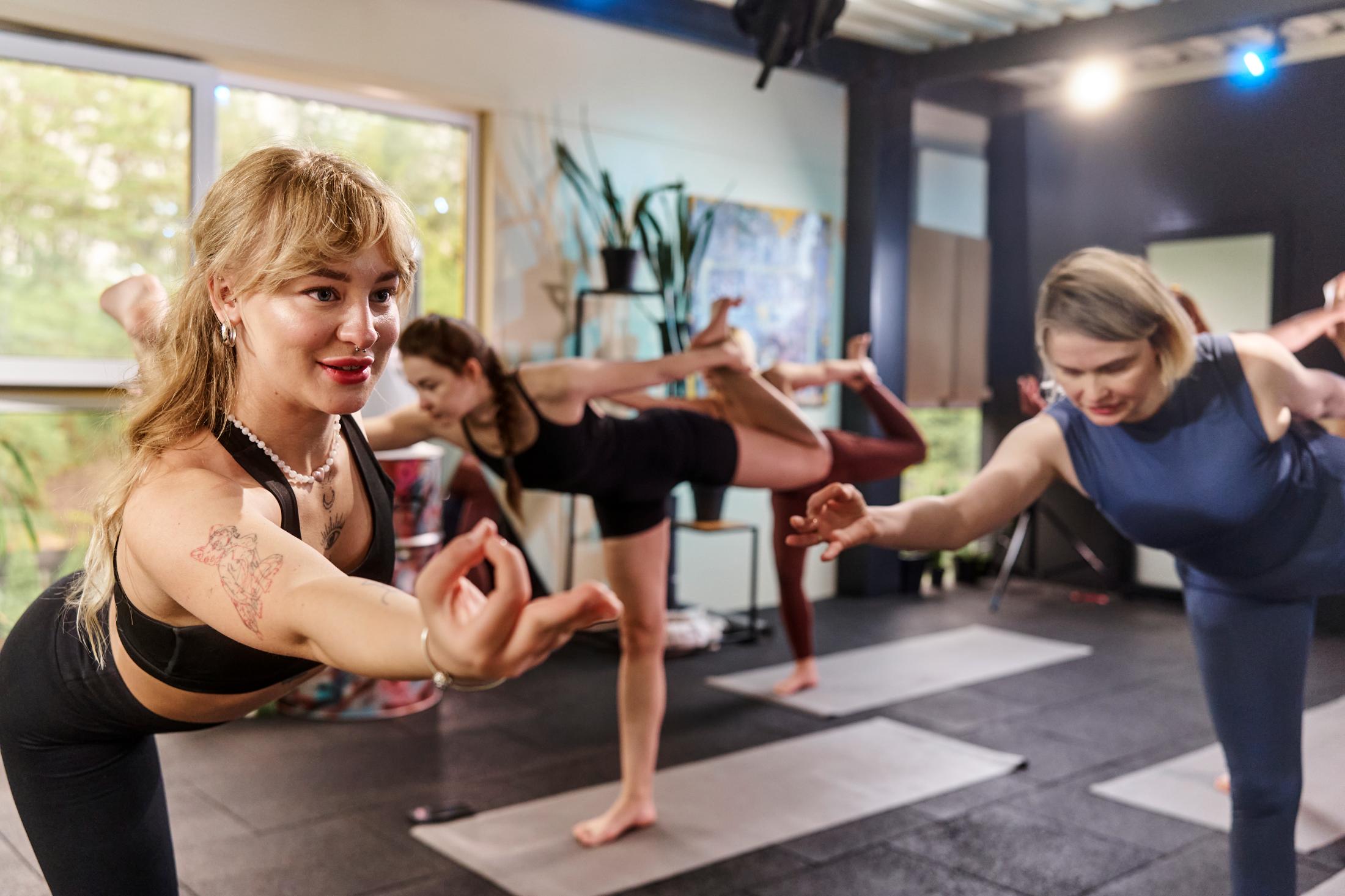
Connected sequences, coordinated breathing, opportunities to develop balance, and movement that adapts to your experience.
Supported postures, calming breathing exercises, extended moments of stillness, and time to relax without rushing.
Creating a sustainable practice
A useful approach to yoga takes your current experience, mobility, energy, and recovery needs into account. Notice when a posture needs a modification, use blocks or other props when they make movement more comfortable, and allow yourself to pause whenever necessary. Choosing an appropriate class and building consistency gradually can help you develop a practice that feels supportive over time, without treating flexibility, strength, or perfect alignment as a race.